Support Growth Hormone Naturally
Growth hormone levels drop naturally with age – but imbalance is often mistaken for just aging.
Understanding Growth Hormone’s Role
Growth hormone (GH), also known as somatotropin, supports several key functions in the body. It helps bones and organs grow, regulates calcium, burns fat, and maintains lean muscle.¹ However, GH levels drop naturally with age.¹
The pituitary gland produces GH. Levels are highest during childhood and adolescence, then steadily decline.¹ ² Several factors can affect GH levels. These include illness, medications, immune issues, poor nutrition, belly fat, insulin resistance, hormone shifts, and low physical activity.¹ ²
Without proper testing, doctors may confuse low GH with normal signs of aging. For example, fatigue or changes in body composition could signal a hormone imbalance. Both urine and blood tests measure GH accurately in adults.³
In some cases, GH testing may detect early signs of imbalance—before full pituitary problems develop.⁴ However, doctors usually confirm a diagnosis using scans or additional lab work.
It’s also important to note that people with liver disease often show higher GH levels, even if their hormone function is impaired.⁵
What Can Disrupt Growth Hormone Production?
Show Section
Several factors can interfere with growth hormone production.⁶ ¹⁰ ¹¹ These include stress, poor sleep, illness, and nutritional deficiencies. For example, high cortisol, chronic fatigue, and undereating are all known to lower growth hormone levels.
A poor sleep environment can also interfere with hormone release. Nighttime light, noise, or inconsistent sleep schedules may suppress melatonin and reduce growth hormone production.¹²
In addition, overtraining or intense workouts without proper recovery may lower growth hormone. This effect is more common in older adults and women, who already produce less growth hormone by default.¹³ ¹⁴
When hormone levels drop, symptoms may appear. These include:
- Weakness or fatigue
- Changes in appetite, weight, or digestion
- Dry skin
- Diabetes-like symptoms (such as excessive thirst or urination)
- Headaches or dizziness
- Infertility, low libido, or changes in menstruation
- Mood swings or signs of early aging
How Growth Hormone Is Regulated
Show Section
Growth hormone (GH) is secreted in pulses. Most of it is released during deep sleep, especially within the first few hours.⁶
The hypothalamus controls this rhythm by releasing two key hormones. Growth hormone-releasing hormone (GHRH) stimulates GH production, while somatostatin blocks it.⁶
Several feedback loops also help regulate GH levels. For example, when GH levels rise, the body produces more insulin-like growth factor 1 (IGF-1). IGF-1 then signals both the hypothalamus and the pituitary gland to reduce further GH release.⁷
Another hormone, ghrelin, plays a supporting role. The stomach produces ghrelin, which binds to receptors in the brain. This process helps increase GH output.⁸⁻⁹
When Growth Hormone Supplements Aren’t Ideal
Show Section
Doctors may prescribe growth hormone (GH) injections for people with a confirmed deficiency. However, these injections are not suitable for everyone. Overusing GH can lead to serious side effects. These may include insulin resistance, joint pain, swelling, and gynecomastia. In rare cases, it may also increase cancer risk.¹⁶ ¹⁷
For most people, natural methods are a safer way to support healthy GH levels.
Natural Ways to Support Growth Hormone
There are several evidence-based ways to naturally enhance growth hormone (GH) levels. These options are safe, especially for those who do not qualify for GH injections.
Avoid Food Allergies
People with IgG4-related autoimmune conditions may benefit from an elimination diet. A customized plan based on IgG4 food sensitivity testing—via blood-spot or serum—can help guide this process.¹⁸
Consider Hormone Replacement Therapy (HRT)
Bioidentical hormone therapy may help after menopause or andropause. When sex hormones become more balanced, GH production may improve as well.¹⁰ ¹⁹
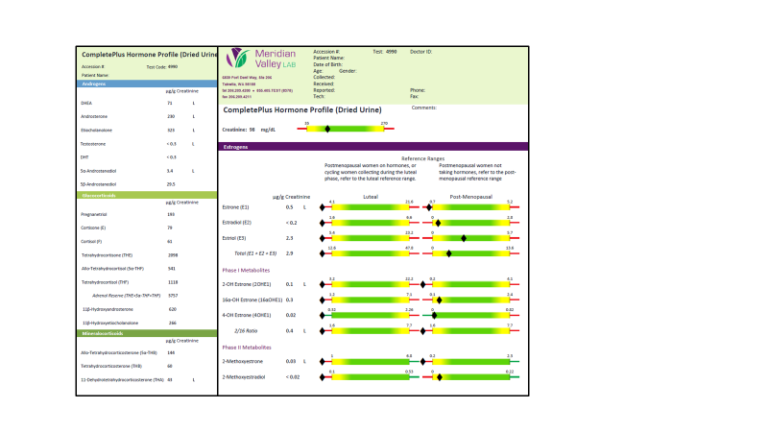
For best results, hormone levels should be tested through 24-hour urine or dried urine panels to ensure safety and proper dosage.
Exercise Regularly
High-intensity interval training (HIIT) can boost GH output.¹⁹ ²⁰ The most effective workouts reach your lactic acid threshold—about 60% of your VO₂ max.
Sleep Habits
Show Section
Deep, consistent sleep increases GH naturally.²² ²³ To improve your sleep:
- Avoid stimulants and screens before bed
- Keep your room cool and dark
- Maintain a consistent sleep schedule
- Avoid naps late in the day
- Eat your last meal several hours before bedtime
- Exercise earlier in the day
Weight & Diet
Show Section
A higher BMI often reduces GH and raises GH-binding proteins.²⁴ ²⁵
To improve outcomes:
- Combine strength and endurance training to lower BMI
- Follow a hypocaloric (reduced calorie) diet to support GH
- Increase dietary fiber and vitamin C (over 75 mg/day)²⁶
- Include protein-rich meals, which temporarily raise GH
- Consider supervised short-term fasting (1–5 days) to significantly increase GH levels²⁸ ²⁹
Supplement Support
Show Section
Several nutrients support GH production:
- A blend of L-lysine, L-arginine, oxo-proline, NAC, glutamine, and Schizonepeta boosted GH in clinical trials³⁰
- 2,000 mg of oral glutamine raised GH levels in one study³¹
- 1,000 mg of glycerophosphocholine improved GH and fat metabolism in young men³²
Practice Mind-Body Therapies
A 12-week yoga program—including breathwork and meditation—significantly raised GH and DHEA-S levels in one clinical trial.³³
References
Click to View Top References
- Veldhuis J. Nat Rev Endocrinol. 2013;9(4):205–215.
- Siebert D, et al. Sports Health. 2018;10(5):419–426.
- Gill M, et al. J Clin Endocrinol Metab. 1998;83(7):2562–2565.
- Rattan S, et al. J Endocrinol. 2017;233(3):R109–R129.
- Roelfsema F, Veldhuis JD. Endocr Rev. 2016;37(2):125–151.
- Glueck CJ, et al. Metabolism. 1993;42(7):989–994.
- Wren AM, et al. Diabetes. 2000;49(3):384–387.
- Isidori A, et al. Clin Endocrinol (Oxf). 1998;49(6):821–827.
Note: A full reference list with 30+ citations is available upon request or in the full report PDF.